
What Is a Green Spot ?

A Green Spot is a piece of land transformed into a living, productive, and sustainable ecosystem.

Developed by Foresteer in 2019, the Green Spot concept follows five phases: Land, Preparation, Development, Production, and Growth. Once a Green Spot reaches the Growth phase, it is designed to return its investment, generate profit, and support the creation of new Green Spots through knowledge, materials, and reinvestment.

The result is a growing global network of Green Spots.

The Green Spot Concept

The Green Spot concept was developed in 2019 as a practical model to transform suitable land into productive, biodiverse, and financially sustainable ecosystems.

A Green Spot starts with land. Step by step, that land is prepared, planted, developed, and activated until it can produce value for people, nature, and the local economy. The goal is not only to create one successful location, but to create a model that can be repeated anywhere in the world.

Each Green Spot develops through five phases:

The most important phase is Phase 05: Growth. At this stage, the Green Spot is designed to have returned the investments used for its development and to generate profit. From that point, the profit, excess materials, and knowledge from one Green Spot can be used to support the start and development of other Green Spots.

This creates a growing network of Green Spots around the world.

HOW IT WORKS

Multiple Sources of Value

A mature Green Spot in Phase 04 and 05 can generate income through a diverse range of outputs.

Farm Produce

Olive oil, dates, herbs, vegetables, and other crops suited to the local climate.
Seeds & Saplings

Nursery production: seeds, seedlings, saplings, and cuttings for sale and replication.

Eco-Tourism

Visitor stays, retreats, volunteering programmes, and educational visits.

Carbon Credits

Tree-based climate contributions and carbon sequestration credits for corporate partners.
Marcelia Al Salam

Pioneering the First Green Spot

Marcelia Al Salam was formed specifically to start, pioneer, experiment with, and develop the first Green Spot in Siwa Oasis, Egypt. Everything learned here the successes, the failures, the practical solutions — will become the blueprint for Green Spots anywhere in the world.

The first Green Spot covers more than 600 hectares across five different land parcels in and around Siwa Oasis, ranging from active eco-village development to large-scale forest creation.

Total Feddan
0
Trees Planned
0
Active Locations
0
Operations Started
0

Marcelia Farm & Eco-Village

With Marclia we are currently at Phase 5

Phase 01
Land — Start & Protection

Every Green Spot starts with suitable land. The first step is to secure land that can be used for long-term development. The land must have the potential to support the next phases: preparation, planting, production, and long-term growth. The land is selected, cleaned, protected, and basic perimeter security is put in place. Without suitable land, there can be no Green Spot.
Phase 03
Development — Planting & Biodiversity

In this phase, the Green Spot starts to become alive. Trees are planted. Crops can be grown for local food. Animals can be introduced where suitable. Composting, nurseries, soil improvement, biodiversity elements, and natural systems all become part of the development. This phase is not only about planting trees — it's about building an ecosystem that can become stronger every year.
Phase 05 — The Most Important
Growth — Self-Sustaining Expansion

Phase 05 is the most important phase for Foresteer. At this stage, the Green Spot is designed to generate profit and to have returned the investment used to develop it. A Green Spot can also produce excess materials and knowledge — seeds, saplings, cuttings, compost, experience, training, systems, and practical solutions — which are used to help start and develop other Green Spots anywhere in the world. This is how one Green Spot helps create the next.

Phase 02
Preparation — Water, Soil & Infrastructure

In this phase, the land is prepared for development. This includes land leveling, access roads, water access, irrigation networks, solar and energy systems, fencing, storage, and other basic infrastructure. Where possible, this phase can also include the first eco-village structures — providing living and working space for workers, families, volunteers, and visitors helping to build and maintain the Green Spot.

Phase 04
Production — Community & Learning

In this phase, the Green Spot starts producing income and moves toward financial sustainability. Income can come from farm produce (olive oil, dates, herbs, vegetables), wood and biomass, seeds and saplings, compost products, eco-tourism and visitor stays, retreats and volunteering programs, and carbon credits. The Green Spot also starts supporting people, jobs, volunteers, food production, education, experiments, and local economic activity.
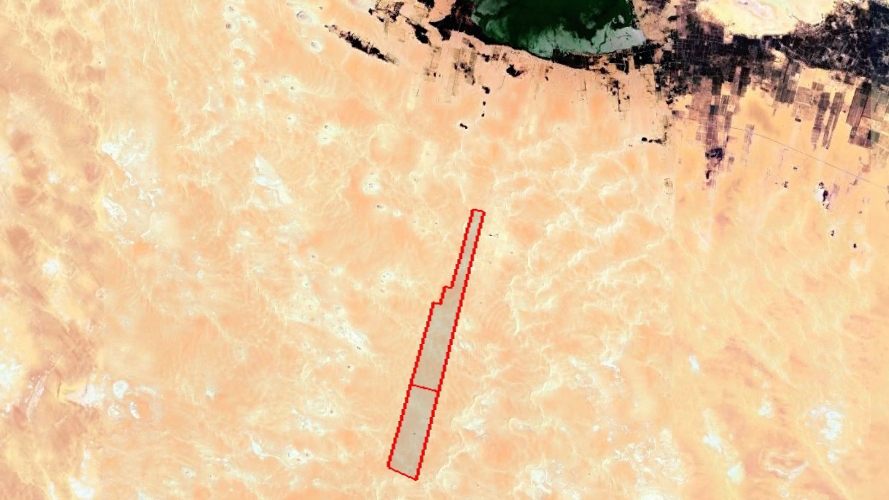
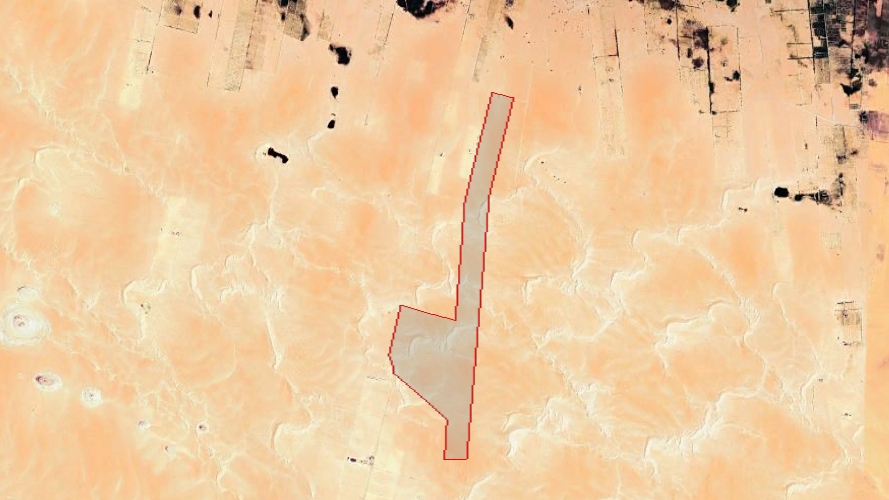
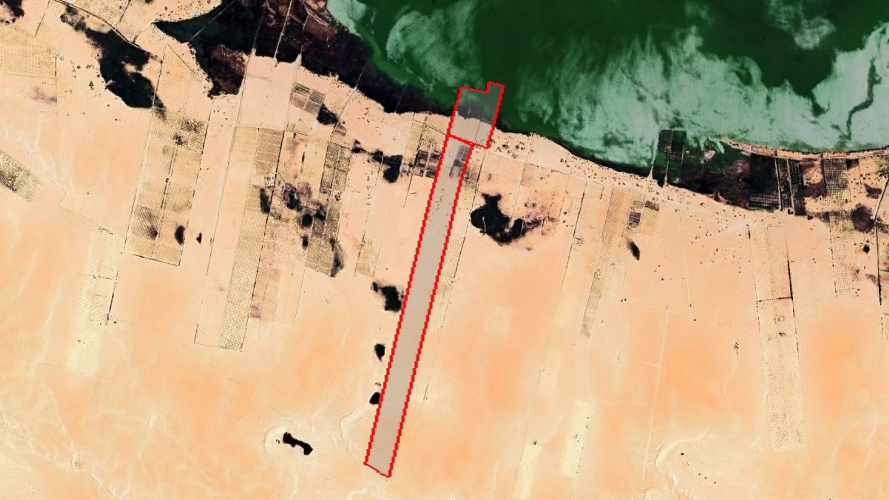
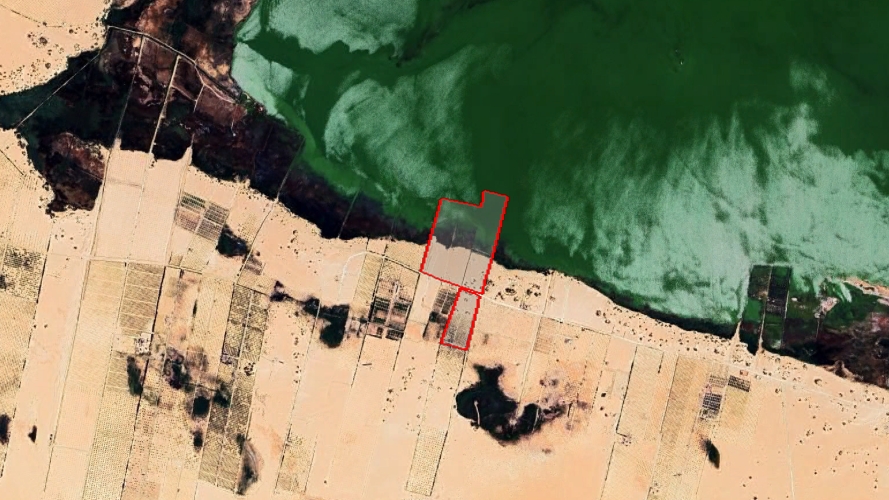
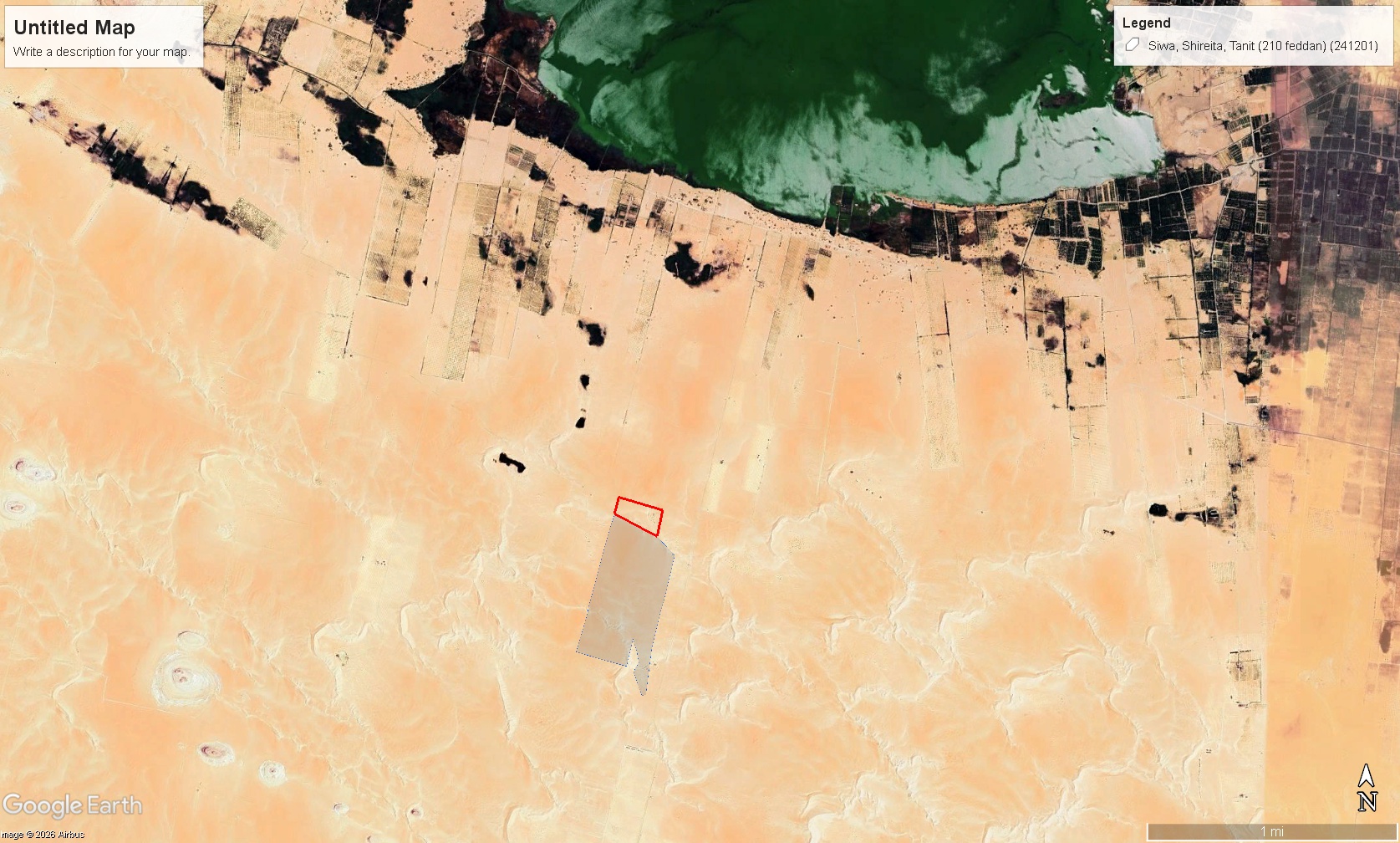
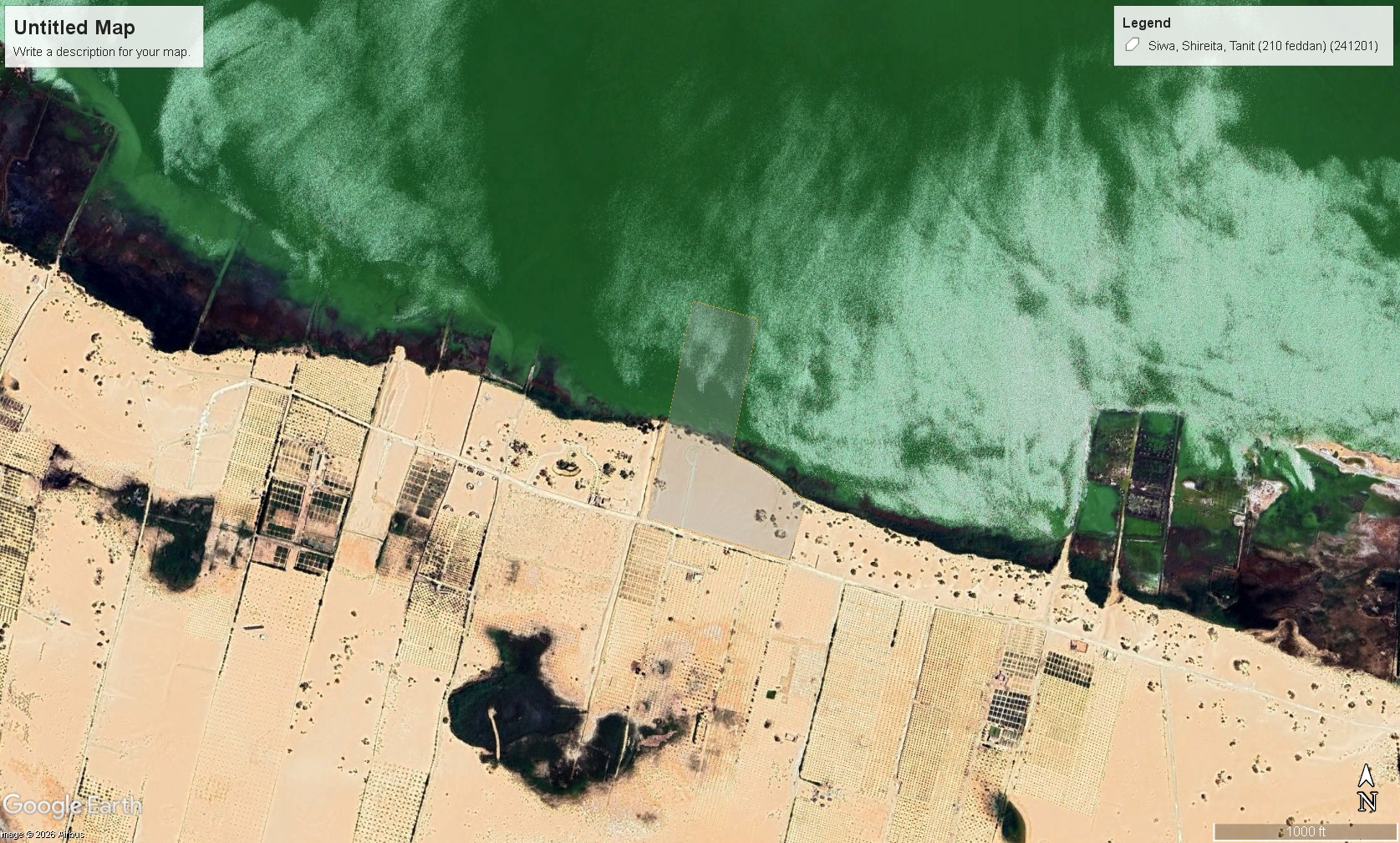
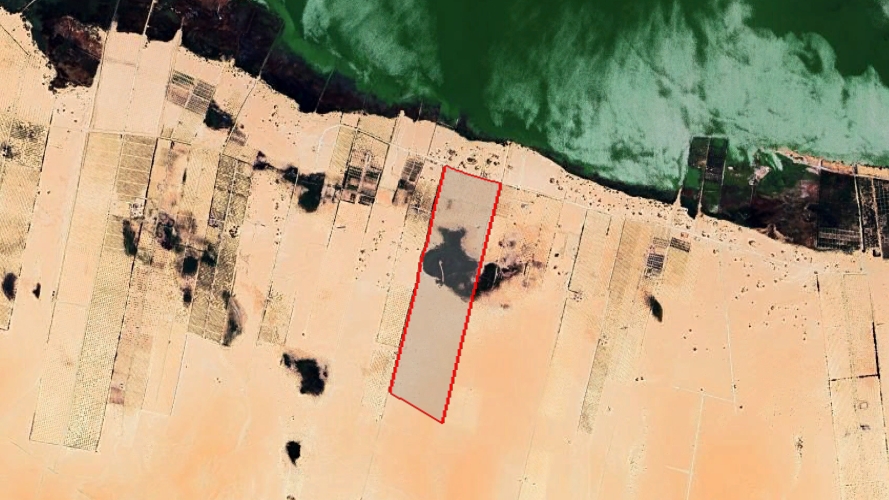
Land Overview Green Spot Siwa

All lands currently secured and under development as part of the first Foresteer Green Spot in Siwa Oasis, Egypt. Managed by Marcelia Al Salam.

3.284.400 m²
811,59 acre
882.420 m²
218,05 acre
275.940 m²
68,19 acre
44.898 m²
11,1 acre
428.400 m²
105,86 acre
31.500 m²
7,78 acre
217.980 m²
53,86 acre